
manual vs electric pump
Choosing between manual and electric pumps hinges on task demands, cost, and user skill. Pumps offer simplicity and zero power needs, while electric models deliver consistent flow and reduced labor. Understanding these trade-offs guides selection
Purpose
The purpose of this comparison is to provide readers with a clear, evidence-based assessment of manual versus electric pumps, enabling informed decisions for diverse applications. By examining design principles, operational mechanics, cost implications, and performance metrics, the article aims to illuminate the strengths and limitations of each pump type. It seeks to assist engineers, hobbyists, and maintenance professionals in selecting the most suitable pumping solution for tasks ranging from small-scale irrigation to large industrial processes. The discussion also highlights safety considerations, environmental impact, and future technological trends that may influence pump choice. Ultimately, the goal is to equip users with a comprehensive framework that balances technical requirements, budget constraints, and practical usability, fostering optimal pump selection and deployment. This balanced view equips decision‑makers with the knowledge to choose the right pump type for specific needs, ensuring efficiency, reliability, and cost‑effective operation over time. Readers will find this guide useful for selecting pumps that meet performance, cost, and sustainability goals. This concise overview ensures clarity and depth Ended
Scope
This article examines manual and electric pumps across a spectrum of criteria relevant to engineers, technicians, and end‑users. The scope includes mechanical design, power sources, flow rates, pressure capabilities, and energy consumption. It covers typical use‑case scenarios such as irrigation, water transfer, industrial process, and emergency backup. Additionally, the discussion incorporates cost analysis, including initial purchase, operating expenses, and maintenance schedules. Safety considerations, such as electrical hazards, mechanical failure modes, and ergonomic factors, are addressed. Environmental impact is evaluated through emissions, noise levels, and resource usage. The comparison also touches on emerging technologies, regulatory standards, and future trends that may affect pump selection. By defining these parameters, the article provides a comprehensive framework for evaluating which pump type best aligns with specific operational requirements and constraints. The analysis also considers installation complexity, noise tolerance, and compliance with local regulations. It evaluates the impact of pump selection on overall system reliability and downtime. Furthermore, the article discusses the role of digital monitoring and predictive maintenance in electric pump systems. For manual pumps, it highlights the importance of operator training and ergonomic design to reduce fatigue. The scope extends to evaluating the recyclability of pump components and the potential for retrofitting older models. Finally, the article outlines best practices for selecting a pump.

Manual Pump Overview
Manual pumps use human power, making them simple, portable, and grid‑free. They are ideal for small tasks, but output depends on operator strength and endurance, limiting large‑scale use. and needs little upkeep.

How It Works
Manual pumps rely on human force to move fluids through a chamber. The most common design is the piston pump, where a lever turns a shaft that drives a piston back and forth inside a cylinder. As the piston retracts, it creates a vacuum that draws liquid into the inlet; when it advances, it forces the fluid out through the discharge port. The displacement per stroke is set by the piston diameter and stroke length, allowing the operator to estimate flow rates. Because there is no electrical component, these pumps have few moving parts that can wear out. The user can adjust pressure by changing the force on the lever, making manual pumps adaptable to tasks that require varying pressure levels. Manual pumps can be built from aluminum or stainless steel, enabling and use in remote locations where power sources are unavailable. However, the effectiveness of a manual pump is limited by human endurance; sustained high flow rates demand continuous effort, which can lead to fatigue. Despite this, manual pumps remain invaluable in emergency situations, irrigation, or scenario where reliability and independence from power are paramount. Its operation requires minimal skill, making it accessible to many users without specialized training.
Pros and Cons
Manual pumps offer zero power dependence, low cost, and simple maintenance. They are lightweight, portable, and reliable in remote or off‑grid settings. However, they require continuous human effort, limiting flow rates and causing fatigue. Their performance can vary with operator strength, and they lack precise pressure control. Electric pumps provide consistent, high flow rates, precise pressure regulation, and automation. They reduce operator fatigue and enable continuous operation. Yet, they need a reliable power source, incur higher upfront and running costs, and require electrical maintenance. Their components can wear under high pressure, and they are heavier and less portable. Choosing between them depends on application needs, budget, and power availability.
- Manual pumps excel in environments, offering power dependency and daily portability!
- Electric pumps deliver flow rates with precise pressure control, for processes.!!?
- Manual pumps are ideal for tasks where portability and outweighs power constraints.!
- Electric pumps reduce operator fatigue, enabling operation without manual effort.!!
- Manual pumps are lightweight, them suitable for repairs, irrigation, water supply.!!
Overall, hinges on task demands.!!!

Electric Pump Overview
Electric pumps convert electrical energy into mechanical motion, delivering consistent flow and pressure. They are ideal for high-volume tasks, automation, and precise control, but require power, maintenance, and higher initial cost. Ideal for industry
Electric pumps harness electrical energy to drive a motor that turns an impeller or piston, creating pressure differences that move fluid. The core component is an electric motor—either AC induction or DC brushless—connected to a shaft. This shaft turns a rotating impeller in centrifugal pumps, or drives a piston in positive displacement models. In a centrifugal pump, fluid enters near the center of the impeller, where centrifugal force flings it outward toward the casing. The increased velocity converts to pressure, pushing fluid through the outlet. Positive displacement pumps, such as gear or diaphragm types, use mechanical linkages to trap a fixed volume of fluid and force it through the outlet with each cycle. Sensors and controllers can adjust speed, ensuring consistent flow rates. The motor’s power rating, measured in horsepower or kilowatts, determines the pump’s capacity, while the pump’s efficiency dictates how much of the electrical energy is converted to useful fluid movement. Modern electric pumps often feature variable frequency drives (VFDs) that modulate motor speed, and save! and provide flow control. Maintenance involves checking seals, bearings, and electrical connections, but reduces wear and tear!
Manual pumps are lightweight, inexpensive, and require no electricity, making them ideal for remote or emergency use. They are simple to operate, with no complex controls, and can be assembled from readily available parts. However, they demand physical effort, limit flow rates, and are less reliable for continuous operation. Electric pumps deliver higher flow rates, consistent pressure, and minimal operator fatigue. They can be automated with timers or sensors, and offer speed control for energy savings. Yet, they require a power source, higher upfront costs, and are heavier. Choosing between the two depends on application needs, budget, and available power. In industrial settings, electric pumps are preferred for large volumes and precise control, while manual pumps favor small-scale portable tasks. For home use, a manual pump suffices for small wells or garden irrigation while an electric pump better serves household water supply, laundry, or pool maintenance. Maintenance of electric pumps requires periodic checks of seals and bearings, while manual pumps need lubrication of moving parts and occasional replacement of worn components. This analysis helps users weigh effort against efficiency, ensuring the choice for each now scenario.

Comparison Criteria
Criteria assess power, flow, cost, maintenance, and suitability. Power measures output versus energy use. Flow rates determine volume per time. Maintenance evaluates repair ease and longevity. Cost covers purchase and.
Power and Energy Efficiency
Manual pumps rely solely on human or animal effort, converting kinetic energy directly into fluid displacement. This method eliminates electrical consumption, making it ideal for remote or off‑grid settings where power sources are scarce. However, the energy input is limited by the operator’s physical stamina, and peak flow rates are often lower than those achievable by motor‑driven units. The efficiency of a manual pump depends on the force applied and the operator’s endurance. In contrast, electric pumps draw power from the grid or a battery system, providing consistent, controllable output with minimal maintenance and reliability. Their efficiency is governed by motor design, gear ratios, and hydraulic losses. Modern electric pumps can achieve efficiencies above 70%, translating to less energy per unit volume pumped compared to manual effort, especially over extended periods. Yet, the need for electricity introduces dependency on a reliable power supply and incurs operational costs. When evaluating power and energy efficiency, one must consider not only the raw energy consumption but also the context of use: for short, intermittent tasks, manual pumps may be more energy‑neutral, whereas for continuous, high‑volume operations, electric pumps deliver superior efficiency and reliability. Ultimately, the choice hinges on balancing human labor against electrical infrastructure and the specific energy demands of the application. This balanced assessment helps users choose the right pump for their specific needs and safety. For more details see guide today now.
Maintenance and Longevity

Manual pumps rely on human effort, featuring simple mechanisms like pistons or hand‑cranked diaphragms. Their part count and lack of motors reduce failure points, making them robust in harsh settings. Routine maintenance involves cleaning inlets, inspecting seals, and lubricating moving parts; repairs are typically done on site with basic tools. However, manual operation requires continuous effort, leading to operator fatigue and variable flow rates. Lifespan depends on seal durability and construction quality; well‑made units can last decades with minimal intervention. Electric pumps incorporate motors, bearings, and electronic controls. Maintenance is more complex: motor insulation, bearings, circuitry must be checked and lubricated. While modern electric pumps offer reliability and real‑time monitoring, they are susceptible to electrical failures, overheating, and component wear. Their advantage is the ability to detect anomalies and schedule preventive maintenance, reducing downtime. In industrial settings, electric pumps benefit from redundancy and automated shutdowns that protect the system. Manual pumps, though simpler, require more human oversight to ensure consistent operation. Ultimately, longevity depends on operating conditions, material quality, and adherence to maintenance protocols. Choosing the right pump involves weighing simplicity and low upfront cost against higher investment and maintenance complexity, while considering required uptime and reliability for the application soon; For more details, contact us now.

Use Cases and Recommendations
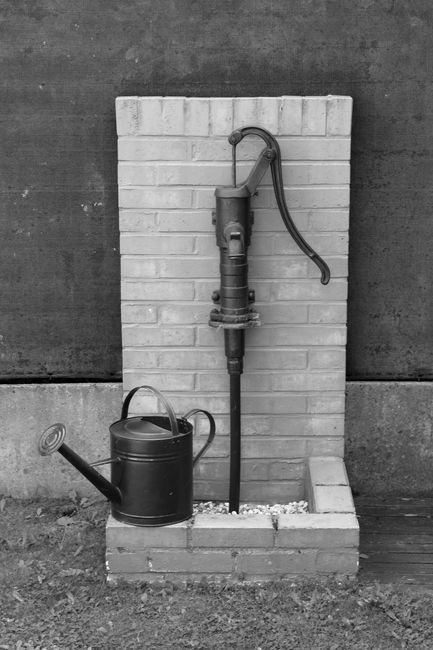
Manual pumps suit remote, low‑volume tasks where power is scarce, such as irrigation or emergency water supply. Electric pumps excel in continuous, high‑volume operations—industrial plants, municipal systems, and large‑scale irrigation. Ideal. U
Industrial Applications
In large‑scale industrial settings, the choice between manual and electric pumps hinges on throughput, reliability, integration with automation systems. Electric pumps dominate in processes that demand continuous, high‑pressure flow—chemical processing, water treatment, and large‑volume pumping stations—because they provide precise control, programmable speed, and minimal downtime. Their ability to operate under variable loads and integrate with SCADA or PLC systems makes them indispensable for modern plants that require real‑time monitoring and remote operation. Manual pumps, while robust and maintenance‑friendly, are typically reserved for niche applications such as portable dewatering units, emergency backup during power outages, or small‑scale batch operations where the cost of installing and running an electric motor outweighs the benefits. In these scenarios, a hand‑operated or foot‑powered pump can deliver sufficient capacity without the need for electrical infrastructure, making them ideal for field service teams or temporary construction sites. When evaluating industrial use, consider factors such as required flow rate, pressure head, duty cycle, and the availability of power. Electric pumps excel in high‑volume,continuous
Home and Garden Use
In residential settings, manual pumps are prized for their simplicity and independence from electricity, making them ideal for small ponds, irrigation ditches, and portable water extraction during outages. They are lightweight, require no wiring, and can be operated in remote or off‑grid locations. However, their limited flow rates and the physical effort needed for continuous use can be a drawback for larger volumes or long‑term projects. Electric pumps, on the other hand, provide higher flow rates, consistent pressure, and the ability to run continuously without fatigue. They are perfect for automated irrigation systems, sump pumps, and large‑capacity water transfer tasks. With programmable timers and low‑power modes, electric models reduce energy consumption while delivering reliable performance. The trade‑off is the need for a reliable power source, potential wiring costs, and a higher upfront price. In many households, a hybrid approach—using a manual pump for emergency or low‑volume tasks and an electric pump for routine irrigation—offers the best balance of cost, convenience, and performance. It balances cost and convenience!!.
This approach ensures cost‑effectiveness and savings for homeowners!
Both manual and electric pumps serve distinct needs. Manual pumps excel in simplicity and off‑grid use, while electric models offer power, consistency, and automation. Choose based on volume, location, and budget. Efficiency and durability matter now!!

Final Recommendation
Choosing the right pump depends on operational demands, cost, and environmental factors. Manual pumps excel in portability, low upfront cost, and independence from power sources, making them ideal for emergency water extraction, temporary irrigation, or off‑grid fieldwork. Their human‑powered design eliminates electrical dependencies, ensuring functionality wherever electricity is unavailable. However, physical effort limits throughput and may be impractical for large volumes or prolonged use. Electric pumps, conversely, deliver consistent, high‑volume flow essential in industrial processing, large‑scale irrigation, or continuous municipal supply. Motorized operation guarantees steady rates, reduces labor costs, and integrates with automated controls. Trade‑offs include higher upfront capital, reliance on a stable power grid, and periodic maintenance of electrical components. Maintenance differs: manual pumps need occasional lubrication and inspection of linkages; electric pumps require routine checks of motor bearings, seals, and electrical connections. Longevity varies: manual pumps can last decades if handled gently; electric pumps may wear in high‑cycle operations but can be serviced to extend life. Safety differs: manual pumps avoid electrical hazards but may pose ergonomic risks; electric pumps introduce shock risks if not insulated. Budgeting should consider purchase price, operating costs, electricity consumption, labor time, and downtime. Small businesses or hobbyists may favor manual pumps for lower operating costs; large facilities often justify electric pumps for economies of scale and automation benefits. Regulatory compliance, such as emission standards for electric motors or environmental impact of manual operation, also matters. Ultimately, align portability, power availability, volume, maintenance capacity, and safety priorities with each pump’s strengths to make an informed, context‑appropriate choice that balances performance, cost, and reliability.