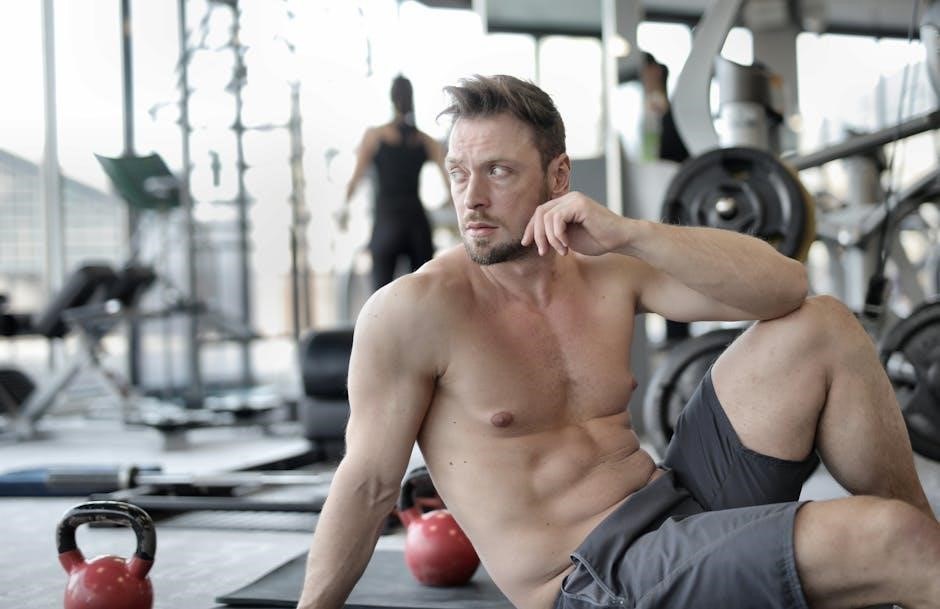
dumbbell exercises for abs pdf
Dumbbell Exercises for Abs: A Comprehensive Guide
Discover effective dumbbell routines for sculpted abs! This guide details exercises, proper form, and integrating them with diet for visible results.
Explore hypertrophy-focused dumbbell workouts, remembering a calorie deficit is key to revealing abdominal definition, as detailed in online resources.
Understanding Core Engagement
Core engagement is paramount when performing dumbbell exercises for abdominal development. It’s not simply about contracting your ‘abs’ but activating the entire musculature of your torso – transverse abdominis, rectus abdominis, obliques, and lower back muscles.
Proper engagement stabilizes the spine, preventing injury and maximizing exercise effectiveness. Think of bracing as if preparing for a punch, drawing your navel towards your spine. This foundational stability is crucial for all dumbbell movements, ensuring targeted muscle activation and optimal results.
The Importance of a Calorie Deficit for Ab Visibility

Dumbbell exercises build abdominal muscle, but visible abs require reducing body fat. No amount of core work will reveal definition without a calorie deficit – consuming fewer calories than you expend. This forces your body to utilize stored fat for energy, unveiling the underlying musculature.
Prioritize a balanced diet alongside your dumbbell workouts. Remember, achieving abdominal hypertrophy is only half the battle; fat loss is essential for showcasing your hard-earned gains.
Warm-up Exercises for Ab Workouts
Prepare your core for dumbbell exercises with a dynamic warm-up! Begin with 5 minutes of light cardio, like jogging in place; Follow with torso twists, arm circles, and cat-cow stretches to increase blood flow.
Include plank variations (holding for 30-60 seconds) and bird-dogs to activate core muscles. A proper warm-up minimizes injury risk and maximizes workout effectiveness, ensuring optimal performance during your dumbbell routine.
Russian Twists with Dumbbell
Engage your obliques with dumbbell Russian twists! Sit with knees bent, feet slightly elevated, and lean back slightly. Hold a dumbbell and twist your torso from side to side, keeping your back straight.
Focus on controlled movements, squeezing your abs with each twist. This exercise effectively targets the core, enhancing rotational strength and stability. Remember proper form is crucial to avoid strain.

Proper Form and Technique
Mastering Russian twists requires precise form. Maintain a straight back, avoiding rounding, and engage your core throughout the movement. Lean back slightly, keeping your spine neutral. Control the twist, focusing on rotating from your torso, not just your arms.

Hold the dumbbell securely and avoid using momentum. Slow, deliberate repetitions maximize muscle engagement and minimize injury risk. Prioritize quality over quantity for optimal results.
Variations for Increased Difficulty
Elevate your Russian twist challenge! Lift your feet off the ground for greater core instability, intensifying the exercise. Increase the dumbbell weight gradually as your strength improves, ensuring controlled movements. Try performing the twists explosively, but maintain form.
Add a pause at each end of the rotation to heighten muscle engagement. Incorporate a medicine ball instead of a dumbbell for a different challenge.
Dumbbell Side Bends
Target your obliques with dumbbell side bends! Stand with feet shoulder-width apart, holding a dumbbell in one hand. Slowly bend to the side, keeping your back straight and core engaged. Feel the stretch in your obliques.
Control the movement throughout, avoiding jerky motions. This exercise effectively works the waistline, contributing to a sculpted physique when combined with a proper diet.
Targeting Oblique Muscles
Dumbbell side bends are exceptional for isolating and strengthening oblique muscles. These muscles run along the sides of your abdomen, crucial for rotational movements and core stability.
Focus on controlled bending, feeling the contraction in your obliques with each repetition. Consistent practice, alongside a calorie deficit, will enhance definition and contribute to a stronger, more toned waistline.
Common Mistakes to Avoid

Avoid using momentum during dumbbell side bends; focus on slow, controlled movements to truly engage the obliques. Don’t lift a weight that compromises your form, as this increases injury risk and reduces effectiveness.
Refrain from arching your back or twisting excessively. Maintaining a stable core and proper posture is paramount. Remember, quality repetitions are far more valuable than quantity.
Dumbbell Wood Chops
Dumbbell wood chops dynamically engage your core through rotational movements, mimicking real-life actions. This exercise effectively targets obliques and transverse abdominis, enhancing core stability and power.
Maintain a slight bend in your knees and keep your back straight throughout the exercise. Control the dumbbell’s arc, focusing on initiating the movement from your core, not your arms.
Engaging Core Rotation
Core rotation is paramount during dumbbell wood chops; it’s not about arm strength. Visualize twisting from your torso, initiating the movement with your obliques, and maintaining a stable spine.
Avoid using momentum; focus on controlled, deliberate twists. Keep your arms relatively straight, acting as guides for the dumbbell’s path. This maximizes core engagement and prevents injury.
Modifications for Different Fitness Levels
Beginners can start with lighter dumbbells or even no weight, focusing on mastering the twisting motion of dumbbell wood chops. Increase the weight gradually as core strength improves.
For a greater challenge, increase the dumbbell weight, slow down the movement, or add a pause at the peak of the rotation. Advanced users can incorporate a staggered stance for added instability.
Dumbbell Sit-Ups
Dumbbell sit-ups intensify traditional sit-ups, demanding greater core engagement. Hold a dumbbell close to your chest, maintaining a controlled ascent and descent. Focus on contracting your abdominal muscles throughout the entire range of motion.
Prioritize controlled movement and synchronized breathing – exhale during the upward phase. Implement progressive overload by gradually increasing the dumbbell weight to continually challenge your core.
Controlled Movement and Breathing
Executing dumbbell sit-ups demands precision. Avoid jerky motions; instead, focus on a slow, deliberate ascent and descent. This maximizes muscle engagement and minimizes injury risk. Synchronize your breath with the movement – exhale powerfully as you curl upwards, and inhale as you lower back down.
Proper breathing supports core stability and enhances abdominal contraction, crucial for effective dumbbell sit-ups;
Progressive Overload Strategies
To continually challenge your abs, implement progressive overload. Begin with a manageable dumbbell weight and gradually increase it as your strength improves. Alternatively, increase the repetitions per set, or the number of sets performed.
Another strategy involves slowing down the tempo of each repetition, intensifying muscle time under tension. Consistent progression is vital for continued abdominal development.
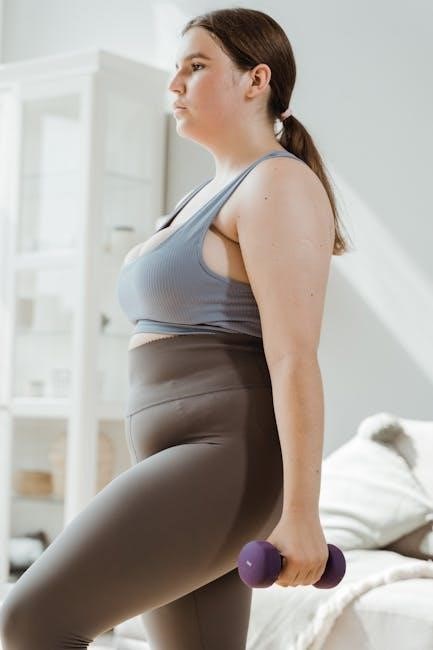
Dumbbell Leg Raises
Dumbbell leg raises effectively target the lower abdominal muscles. Hold a dumbbell between your feet to increase the intensity of this exercise. Lie flat on your back, keeping legs straight or slightly bent, and lift them towards the ceiling.
Focus on controlled movements, avoiding excessive swinging or momentum. Ensure core engagement throughout the exercise for optimal results and to prevent injury.
Lower Abdominal Focus
Dumbbell leg raises are particularly effective for isolating and strengthening the lower abdominal region. The added weight challenges these muscles more intensely than bodyweight variations.
Concentrate on initiating the movement from the lower abs, squeezing them as you lift your legs. Maintaining a slight bend in the knees can help emphasize this focus, promoting targeted muscle development and improved core stability.
Using Momentum Safely
While some momentum can assist in dumbbell leg raises, prioritize controlled movements to maximize abdominal engagement and minimize injury risk. Avoid swinging the weight or using excessive force.
Focus on a slow, deliberate lifting and lowering phase, maintaining core control throughout. If you find yourself relying heavily on momentum, reduce the dumbbell weight to ensure proper form and effective muscle activation.

Dumbbell Crunches
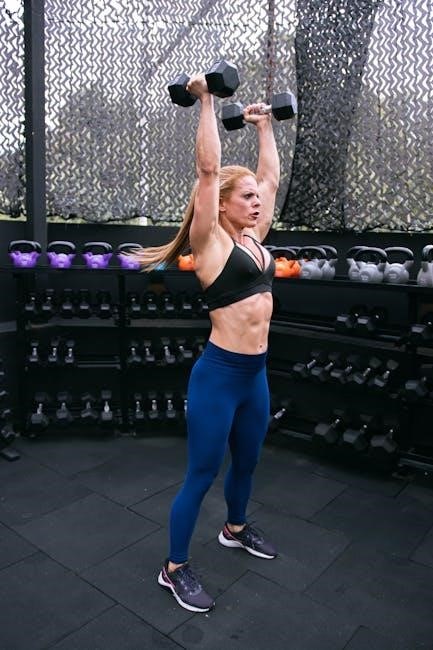
Dumbbell crunches effectively target the rectus abdominis, but proper technique is crucial. Hold a dumbbell close to your chest, focusing on contracting your abs to lift your upper body.
Avoid pulling on your neck; keep your chin slightly tucked. Online resources suggest traditional crunches can strain the neck and back, so prioritize controlled contractions and mindful movement for optimal results and safety.
Avoiding Neck Strain
Protect your cervical spine during dumbbell crunches! Resist the urge to pull your head forward with your hands; this is a common error leading to neck strain.
Focus on using your abdominal muscles to initiate the movement, keeping your chin slightly tucked towards your chest. Online sources emphasize that proper form minimizes risk, prioritizing core engagement over forceful neck movements for effective, safe training.
Maximizing Ab Contraction
Squeeze your abs intensely at the peak of each crunch! Consciously focus on contracting the abdominal muscles throughout the entire range of motion, not just during the upward phase.

Hold this contraction briefly, then slowly lower back down with control. Remember, quality over quantity is crucial; prioritize controlled movements and full muscle engagement for optimal results, as highlighted in various online fitness guides.
Dumbbell Bicycle Crunches
Combine rotation with flexion for a dynamic core challenge! Holding a dumbbell increases intensity, but maintain proper form. Bring your elbow to the opposite knee while extending the other leg.
Focus on controlled movements, avoiding jerky motions. Prioritize spinal alignment throughout the exercise, preventing strain. Online resources emphasize that consistent, correct form is vital for effective abdominal work.
Combining Rotation and Flexion
Dumbbell bicycle crunches uniquely blend rotational movement with abdominal flexion. This dual action intensely targets both the rectus abdominis and obliques, enhancing core stability and definition.
The twisting motion engages deeper core muscles, promoting functional strength. Remember to control the movement, avoiding momentum, for optimal results; Prioritize form over speed, as highlighted in fitness resources.
Maintaining Proper Spinal Alignment
Preserving spinal alignment during dumbbell bicycle crunches is crucial for safety and effectiveness. Avoid pulling on the neck, keeping the lower back pressed gently into the floor throughout the exercise.
Focus on controlled movements, engaging your core to initiate the rotation and flexion. Improper form can lead to strain; prioritize technique over speed, ensuring a neutral spine position.
Dumbbell Plank Variations
Elevate your plank with dumbbells for increased core challenge! Try dumbbell plank rotations, carefully twisting your torso while maintaining a stable plank position, engaging obliques.
Another variation is the dumbbell plank with leg lift, extending one leg at a time, focusing on core stability. These modifications amplify intensity, demanding greater control and strengthening deeper abdominal muscles.
Dumbbell Plank with Rotation

Enhance core stability and oblique engagement with this dynamic plank variation! Assume a standard plank position, holding a dumbbell in one hand. Slowly rotate your torso, lifting the dumbbell towards the ceiling, keeping your hips stable.
Focus on controlled movement, feeling the contraction in your obliques. Repeat on both sides, maintaining a strong core throughout the exercise for maximum benefit.
Dumbbell Plank with Leg Lift
Elevate your plank challenge and target your lower abs and glutes! Begin in a standard plank position, maintaining a straight line from head to heels. Lift one leg off the ground, keeping your core engaged and hips stable.
Avoid arching your back; focus on controlled movement. Alternate legs, holding briefly at the top of each lift to intensify the abdominal contraction.
Dumbbell Reverse Crunches
Focus on isolating your lower abdominal muscles with this effective exercise! Lie on your back with knees bent and feet flat, holding a dumbbell between your feet for added resistance.
Contract your abs to lift your hips off the floor, bringing your knees towards your chest. Control the movement throughout, avoiding momentum, and slowly lower back down. Maintain core control.
Focusing on Lower Abs
Dumbbell reverse crunches are specifically designed to target the often-neglected lower abdominal region. By lifting the hips towards the chest, you’re directly engaging these muscles, promoting strength and definition.
Ensure a controlled motion, resisting the urge to swing or use momentum. This isolates the lower abs, maximizing effectiveness. Proper form is crucial for preventing injury and achieving optimal results.
Controlling the Movement
When performing dumbbell reverse crunches, prioritize slow, deliberate movements over speed or range of motion. Avoid jerky actions or relying on momentum to lift your hips; this diminishes muscle engagement and increases injury risk.
Focus on contracting your lower abdominal muscles throughout the entire exercise. Maintaining control ensures proper form and maximizes the effectiveness of each repetition, leading to better results.
Dumbbell Flutter Kicks
Dumbbell flutter kicks enhance traditional flutter kicks by adding a subtle weight challenge. Holding a dumbbell between your feet increases core activation, demanding greater stability throughout the exercise.
Maintain a stable core and controlled leg movements, avoiding excessive swinging. Adjust the dumbbell weight to suit your fitness level, prioritizing proper form over heavier loads for optimal results and injury prevention.
Maintaining Core Stability
Core stability is paramount during dumbbell flutter kicks. Focus on pressing your lower back firmly into the floor, engaging your abdominal muscles throughout the entire movement.
Avoid arching your back or letting your hips lift, as this reduces effectiveness and increases injury risk. A stable core allows for controlled leg movements, maximizing abdominal engagement and ensuring a safe, productive workout.
Adjusting Intensity
Modify dumbbell flutter kicks to suit your fitness level. Beginners can perform the exercise with slower, controlled movements and a smaller range of motion.
To increase difficulty, speed up the kicking motion, increase the range of motion, or hold a light dumbbell between your feet. Prioritize maintaining proper form over speed or weight to prevent injury and maximize core engagement.
Dumbbell Heel Taps
Dumbbell heel taps effectively target obliques and lower abdominal muscles. Lie on your back with knees bent and feet flat, holding a dumbbell.
Alternately reach each hand towards the corresponding heel, maintaining core engagement and controlled movements. Avoid using momentum; focus on contracting your obliques. This exercise enhances core stability and strengthens the abdominal region for a toned physique.
Dumbbell side bends are specifically designed to isolate and strengthen the oblique muscles. By holding a dumbbell and bending laterally, you directly engage these core stabilizers.
This movement also subtly activates the lower abdominal region, contributing to overall core strength and definition. Proper form is crucial to maximize effectiveness and prevent injury, ensuring a focused workout.
Controlled Movements
When performing dumbbell heel taps, prioritize slow, deliberate motions over speed. This ensures maximum engagement of the obliques and lower abdominal muscles, enhancing workout effectiveness.
Avoid rushing through repetitions, as this can compromise form and reduce muscle activation. Focus on maintaining core stability throughout the exercise, controlling both the lifting and lowering phases for optimal results.
Dumbbell V-Ups
Dumbbell V-ups are a challenging, full-core exercise demanding significant strength and coordination. Holding a dumbbell adds intensity, engaging all abdominal muscles simultaneously.
Beginners should scale this exercise by performing it without weight or reducing the range of motion. Maintaining proper form is crucial; avoid momentum and focus on controlled movements to prevent injury and maximize core activation.
Full Core Engagement
Successfully executing dumbbell V-ups hinges on complete core engagement throughout the entire movement. This means actively contracting your rectus abdominis, obliques, and lower back muscles.
Visualize drawing your navel towards your spine, maintaining a braced core to stabilize your body. Avoid arching your back; focus on lifting with your abs, not momentum, for optimal results and injury prevention.
Scaling the Exercise
Dumbbell V-ups can be challenging; modifications are crucial for all fitness levels. Beginners can perform partial V-ups, focusing on lifting the shoulders off the ground.
Alternatively, keep knees bent to reduce the range of motion. As strength improves, gradually straighten legs and increase the lift. Remember, controlled movements are paramount; prioritize form over completing a high number of repetitions.
Cool-down and Stretching
Post-workout recovery is vital for muscle repair and flexibility. Incorporate static stretches, holding each for 30 seconds, targeting the abdominal muscles and lower back.
Effective stretches include lying knee twists, cat-cow stretches, and gentle torso rotations. Prioritize deep breathing throughout the cool-down to promote relaxation and reduce muscle soreness. Consistent stretching enhances range of motion and prevents injury.
Workout Frequency and Progression
Begin with 2-3 ab workouts weekly, allowing for adequate muscle recovery between sessions. Gradually increase the intensity by adding sets, reps, or dumbbell weight.
Progressive overload is crucial for continued gains. Monitor your body’s response and adjust accordingly. Incorporate variations of exercises to challenge your core from different angles. Consistency is key for achieving visible results and maintaining core strength.
Combining Dumbbell Exercises with Other Core Workouts
Maximize your core development by integrating dumbbell exercises with bodyweight movements. Supplement dumbbell routines with planks, leg raises, and Russian twists without weight.
This combination provides a comprehensive approach, targeting all abdominal muscles. Vary your workouts to prevent plateaus and maintain engagement; Remember, a strong core enhances stability and posture, complementing overall fitness goals.
Safety Precautions and Considerations
Prioritize proper form over lifting heavy weights to prevent injuries. Maintain a controlled tempo throughout each exercise, focusing on core engagement. Avoid jerky movements and listen to your body, stopping if you feel pain.
Warm-up adequately before each workout and cool down with stretching. Consult a healthcare professional before starting any new exercise program, especially if you have pre-existing conditions.
Finding a Suitable Dumbbell Weight
Begin with lighter dumbbells to master proper form before increasing the weight. The goal isn’t maximal lifting, but controlled core engagement. Select a weight that challenges you while allowing you to maintain good technique throughout each set.
If you struggle with form, reduce the weight. Progressive overload – gradually increasing weight – is key, but only when form remains impeccable.