
2007 honda crv owners manual
This manual details all 2007 CR-V features, operation, maintenance, and specifications; it may include options not present on your specific vehicle model.
Overview of the Manual’s Scope
This owner’s manual comprehensively covers all 2007 Honda CR-V models, detailing equipment and features—some may not be included on your vehicle. Information reflects specifications current at the time of printing, but Honda reserves the right to make changes without notice.
It provides guidance on operation, maintenance, and includes a reference to Helminc.com for printed copies and a PDF version for convenient access.
Important Safety Information
Always prioritize safety when operating your 2007 Honda CR-V. This manual contains crucial warnings and precautions to prevent injury or vehicle damage. Read and understand all safety messages before driving.
Pay close attention to sections regarding seatbelts, airbags, child restraints, and fluid handling. Ignoring these guidelines could result in serious consequences; responsible operation is paramount.
Vehicle Identification
Locate your 2007 CR-V’s Vehicle Identification Number (VIN) and understand vehicle labels for accurate identification and service information.
Vehicle Identification Number (VIN) Location
Your vehicle’s unique 17-digit Vehicle Identification Number (VIN) is crucial for identification and tracking. On the 2007 CR-V, you can find it on the driver’s side dashboard, visible through the windshield. Additionally, the VIN is located on the vehicle registration and insurance documents. It’s also stamped on the driver’s side doorjamb.
Understanding Your Vehicle’s Labels
Your 2007 CR-V features several important labels providing vital information. These include the Vehicle Identification Number (VIN) label, tire information label (located on the driver’s side doorjamb), and engine compartment labels detailing fluid types. Understanding these labels ensures proper maintenance, correct fluid usage, and accurate vehicle identification for parts and service needs.
Operating Your Vehicle
This section covers starting, stopping, and driving your 2007 CR-V, alongside explanations of the dashboard indicators for safe and informed operation.
Starting and Stopping the Engine
Before starting, ensure the parking brake is engaged and the gear selector is in Park (P) or Neutral (N). Turn the key to the II position, then to the START position, releasing it once the engine starts. To stop, shift to Park (P) and turn the key to the OFF position. Always allow the engine to idle briefly before shutting off.
Driving Your CR-V
Familiarize yourself with the vehicle’s controls before driving. Accelerate smoothly and brake gradually for comfortable operation. Maintain a safe following distance and adhere to all traffic laws. Be aware of your surroundings and adjust speed for road and weather conditions. Regular checks of mirrors are crucial for safe driving.
Understanding the Dashboard Indicators
Dashboard lights provide crucial vehicle information. Warning lights indicate potential problems requiring immediate attention, like low oil or engine issues. Indicator lights show system status, such as headlights or turn signals. Consult the manual for specific light meanings and recommended actions to ensure safe vehicle operation.

Maintenance Schedule
Regular maintenance ensures optimal performance and longevity. Follow the recommended intervals for fluid checks, replacements, and inspections detailed within this manual.
Recommended Maintenance Intervals
Maintaining your 2007 CR-V requires adherence to a specific schedule. Key intervals include oil and filter changes, fluid level inspections, and tire rotations. More extensive services, like spark plug replacement and coolant flushes, are needed less frequently. Consult the detailed table within this manual for precise mileage or time-based recommendations. Following this schedule helps prevent issues and preserves vehicle reliability, ensuring a safe and enjoyable driving experience for years to come.
Fluid Checks and Replacements
Regularly checking and replacing fluids is crucial for your 2007 CR-V’s health. This includes engine oil, coolant, brake fluid, power steering fluid, and windshield washer fluid. The manual details specific procedures and recommended fluid types for each system. Neglecting these checks can lead to component damage and reduced performance. Proper fluid maintenance ensures optimal operation, longevity, and safety on the road, preventing costly repairs down the line.
Features and Controls
This section explains the 2007 CR-V’s climate control, audio system, power windows, and locks, detailing their operation for a comfortable driving experience.
Climate Control System
The 2007 CR-V’s climate control allows drivers and passengers to adjust temperature and airflow for optimal comfort. Controls manage fan speed, air direction, and the air conditioning system. Understanding these features ensures efficient heating and cooling. The system offers modes for defrosting windows and recirculating air, enhancing comfort in various weather conditions. Proper use maximizes fuel efficiency and maintains a pleasant cabin environment.
Audio System Operation
The 2007 CR-V’s audio system provides entertainment through AM/FM radio and a CD player. Controls adjust volume, tuning, and sound balance. Familiarize yourself with the system’s features for optimal listening. The system may include auxiliary input for connecting external devices. Proper operation ensures clear sound quality and enhances the driving experience, offering a comfortable and enjoyable journey for both driver and passengers.
Power Windows and Locks
The 2007 CR-V features power windows controlled by switches on each door. These allow convenient operation for all passengers. Power door locks enhance security, controlled centrally and individually. Understand the lock override system for safety. Always ensure passengers, especially children, operate these features responsibly to prevent accidental injury or vehicle compromise during travel.
Troubleshooting
This section addresses common 2007 CR-V issues and provides solutions. It also details warning light meanings, aiding in quick diagnosis and preventative maintenance.
Common Issues and Solutions
Addressing typical problems with your 2007 CR-V is crucial for maintaining optimal performance. Potential issues include difficulty starting, unusual noises, or dashboard warning lights. Regularly check fluid levels and tire pressure. Consult a qualified technician for complex repairs. Proper maintenance, as outlined in this manual, can prevent many common issues, ensuring a reliable driving experience and extending the vehicle’s lifespan.
Warning Lights and Their Meanings
Understanding dashboard indicators is vital for safe operation of your 2007 CR-V. Illuminated warning lights signal potential problems, ranging from low fuel to critical engine issues. Refer to this manual for a comprehensive explanation of each light’s meaning. Ignoring warning lights can lead to more severe damage; prompt attention and diagnosis are always recommended for a safe driving experience.
Specifications
This section provides detailed engine specifications, dimensions, and capacities for your 2007 Honda CR-V, aiding in maintenance and understanding vehicle characteristics.
Engine Specifications
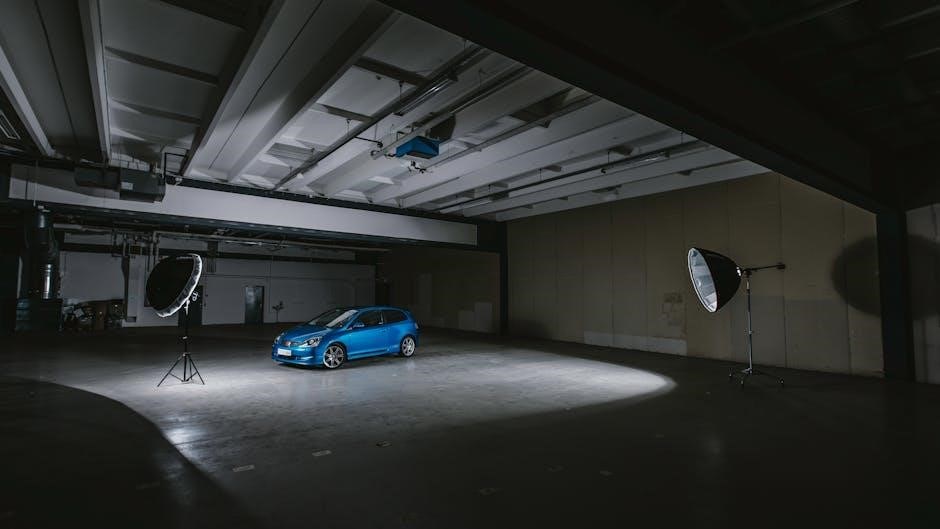
Your 2007 Honda CR-V is equipped with a 2.4-liter, 16-valve SOHC i-VTEC 4-cylinder engine. This powerplant delivers reliable performance and fuel efficiency. It boasts a displacement of 2354 cc, and a compression ratio of 9;7:1. The engine produces 166 horsepower at 5,800 rpm and 161 lb-ft of torque at 4,000 rpm, ensuring adequate power for various driving conditions.
Dimensions and Capacities
The 2007 Honda CR-V offers generous space and practicality. Its overall length is 178.0 inches, with a width of 68.0 inches and a height of 66.1 inches. Wheelbase measures 101.5 inches. Cargo volume behind the rear seats is 33.5 cubic feet, expanding to 72.7 cubic feet with the rear seats folded. Fuel tank capacity is 15.3 gallons.
Warranty Information
Honda provides warranty coverage for your 2007 CR-V, details of which are outlined in the manual, including claim procedures and coverage specifics.
Honda Warranty Coverage
Honda warranty coverage for the 2007 CR-V includes specific periods for defects in materials and workmanship. These warranties are subject to certain limitations and exclusions, detailed within the full warranty document. Coverage extends to various vehicle components, offering peace of mind to owners. Refer to the manual for precise details regarding bumper-to-bumper, powertrain, and emissions coverage durations, as well as any deductible requirements or claim processes.
Warranty Claim Procedures
To initiate a warranty claim for your 2007 Honda CR-V, contact an authorized Honda dealership. Provide your vehicle identification number (VIN) and a detailed description of the issue. The dealership will diagnose the problem and determine if it’s covered under warranty. Proper documentation and adherence to Honda’s claim process are crucial for successful resolution.
Additional Resources
A PDF version of this manual is available online, and printed copies can be conveniently purchased through Helminc.com for detailed assistance.
Downloading a PDF Version of the Manual
Honda provides convenient access to the 2007 CR-V owner’s manual in a comprehensive PDF format online. This digital version allows for easy viewing on computers, tablets, and smartphones.
Utilize the provided links within this reference manual to navigate efficiently. Accessing the PDF ensures you always have the information readily available, eliminating the need for a physical copy while on the go.
Helminc.com for Printed Manuals
For those preferring a physical copy, authorized printed 2007 Honda CR-V owner’s manuals are readily available through Helminc.com. This website serves as the official source for obtaining a hardcopy version of your vehicle’s documentation.
Visiting Helminc.com ensures you receive a genuine Honda-approved manual, providing accurate and reliable information for your CR-V’s operation and maintenance needs.
Emergency Procedures
This section outlines crucial steps for handling emergency situations, including jump starting and what actions to take during unforeseen roadside incidents.
What to Do in an Emergency
In any emergency, ensure your safety and the safety of others first. Pull over to a safe location away from traffic, activate hazard lights, and assess the situation calmly. If possible, warn approaching vehicles. For medical emergencies, immediately contact emergency services. Have your vehicle’s location readily available when calling for assistance, and follow the dispatcher’s instructions carefully. Remember to remain visible and exercise caution;
Jump Starting Procedures
To jump start your 2007 CR-V, carefully connect the jumper cables: positive (+) to positive (+) on both batteries, then negative (-) to the disabled vehicle, and finally negative (-) to a grounded metal part on the functioning vehicle. Ensure proper polarity! Start the functioning vehicle, then attempt to start the disabled one. If successful, let both run before disconnecting cables in reverse order.

Tire Information
Proper tire size and pressure are crucial for 2007 CR-V safety and performance; regular rotation extends tire life and ensures even wear patterns.
Tire Size and Pressure
Maintaining correct tire pressure is vital for optimal handling, braking, and fuel efficiency on your 2007 Honda CR-V. Refer to the vehicle’s tire placard – usually located on the driver’s side doorjamb – for the recommended cold tire pressure. Always check pressure when tires are cold, before driving, and adjust accordingly. Using the correct tire size, as specified in the owner’s manual, also contributes to safe and reliable vehicle operation.
Tire Rotation
Regular tire rotation is crucial for even wear and maximizing the lifespan of your 2007 Honda CR-V’s tires. The owner’s manual recommends a specific rotation pattern – typically front to back on the same side – to promote balanced tread wear. Rotating tires extends their usability, improves handling, and contributes to overall vehicle safety and performance. Check your manual for the precise interval and pattern.
Fluid and Capacity Details
This section outlines the 2007 CR-V’s required fluid types – engine oil, coolant, and others – alongside their respective capacity measurements for proper maintenance.
Engine Oil Type and Capacity
For the 2007 Honda CR-V, it is recommended to use API grade SJ or higher engine oil. The preferred viscosity is 5W-20, ensuring optimal engine performance and protection across various temperatures. The engine oil capacity for a standard 2.4L engine is approximately 4.2 US quarts (4.0 liters) with a filter change.
Coolant Type and Capacity
Honda recommends using a high-quality ethylene glycol-based coolant that meets Honda Type 2 specifications for your 2007 CR-V. A 50/50 mix of coolant and distilled water is crucial for optimal cooling system performance and corrosion prevention. The cooling system capacity is approximately 1.6 gallons (6.1 liters).
Genuine Honda Parts and Accessories
Genuine Honda parts and accessories ensure optimal performance and reliability for your 2007 CR-V; purchase them through authorized Honda dealerships or Helminc.com.
Where to Purchase
Genuine Honda parts and accessories for your 2007 CR-V are readily available through authorized Honda dealerships, offering expert assistance and guaranteed fitment. Alternatively, for a comprehensive selection and convenient online ordering, visit Helminc.com. This resource provides access to a wide range of parts, ensuring you find exactly what you need to maintain or enhance your vehicle’s performance and longevity.
Importance of Using Genuine Parts
Utilizing Genuine Honda parts is crucial for maintaining the integrity and performance of your 2007 CR-V. These parts are specifically engineered to meet Honda’s rigorous standards, ensuring optimal compatibility and reliability. Aftermarket parts may compromise safety and void warranty coverage, while genuine components guarantee a perfect fit and lasting durability, preserving your vehicle’s value.